The Long Road Home: What a Blind Street Dog Taught Us About Relentless Love

The heat in Bali has a physical weight to it, pressing down on the narrow streets and compounding the chaos of the motorbikes, the offerings left on the pavement, and the endless, roaming population of street dogs. If you have traveled there, you know the dogs. They are woven into the fabric of the island, ancient and independent, yet entirely vulnerable to the harsh realities of disease, traffic, and human indifference.
It was in the middle of that world, on a December morning in 2025, that our LOTUS Humanitarian board member Paula Labree found herself walking puppies at the Bali Animal Welfare Association alongside our own Marjon Tondravi. They were there as volunteers, part of a She Dares to Wander trip, doing what SDTW travelers do: showing up with their hands open and their hearts ready. They had no particular agenda that morning. They were just walking dogs. And then Melissa, the shelter's event coordinator, said, "I have this perfect little girl over here, but she's blind.
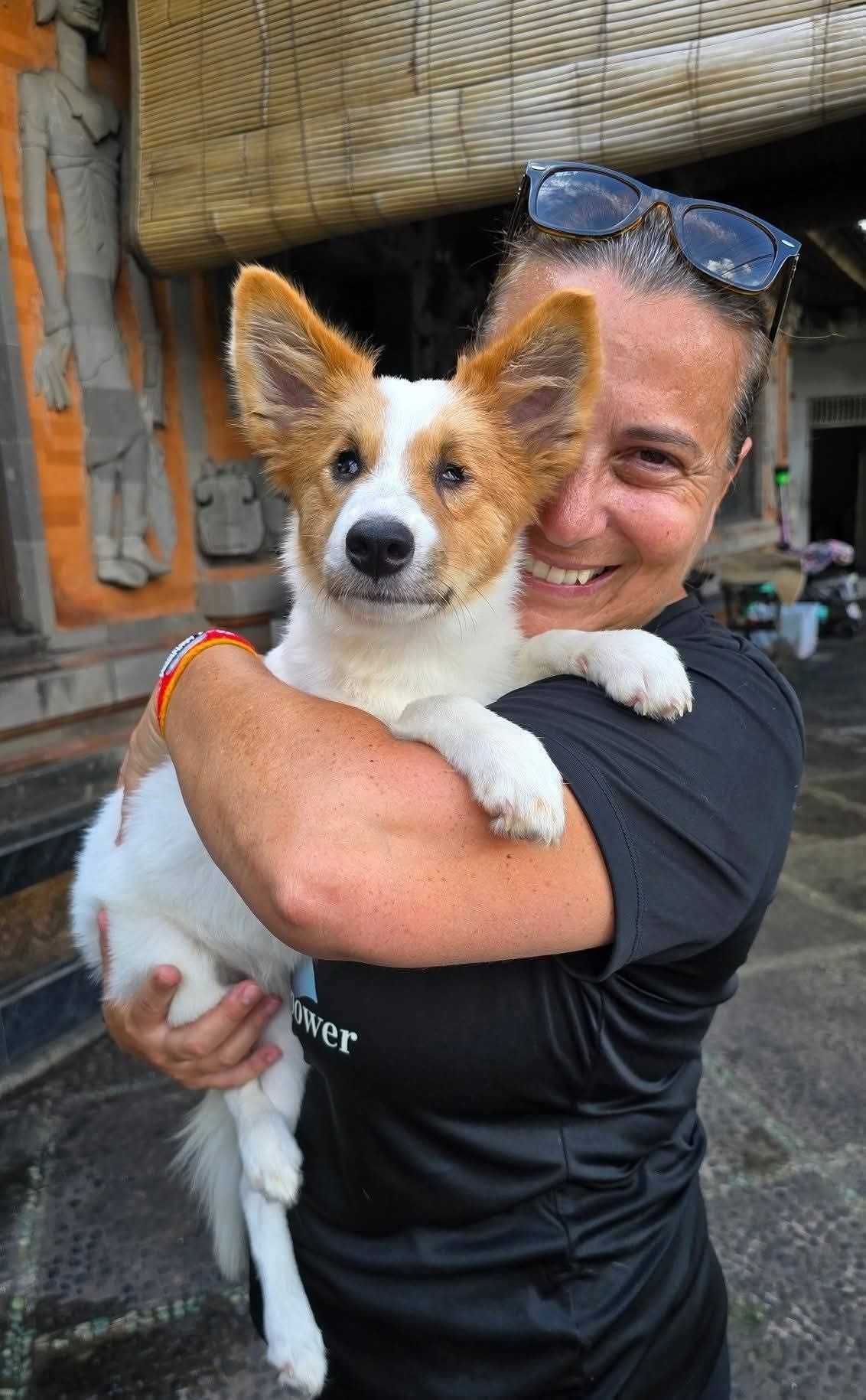
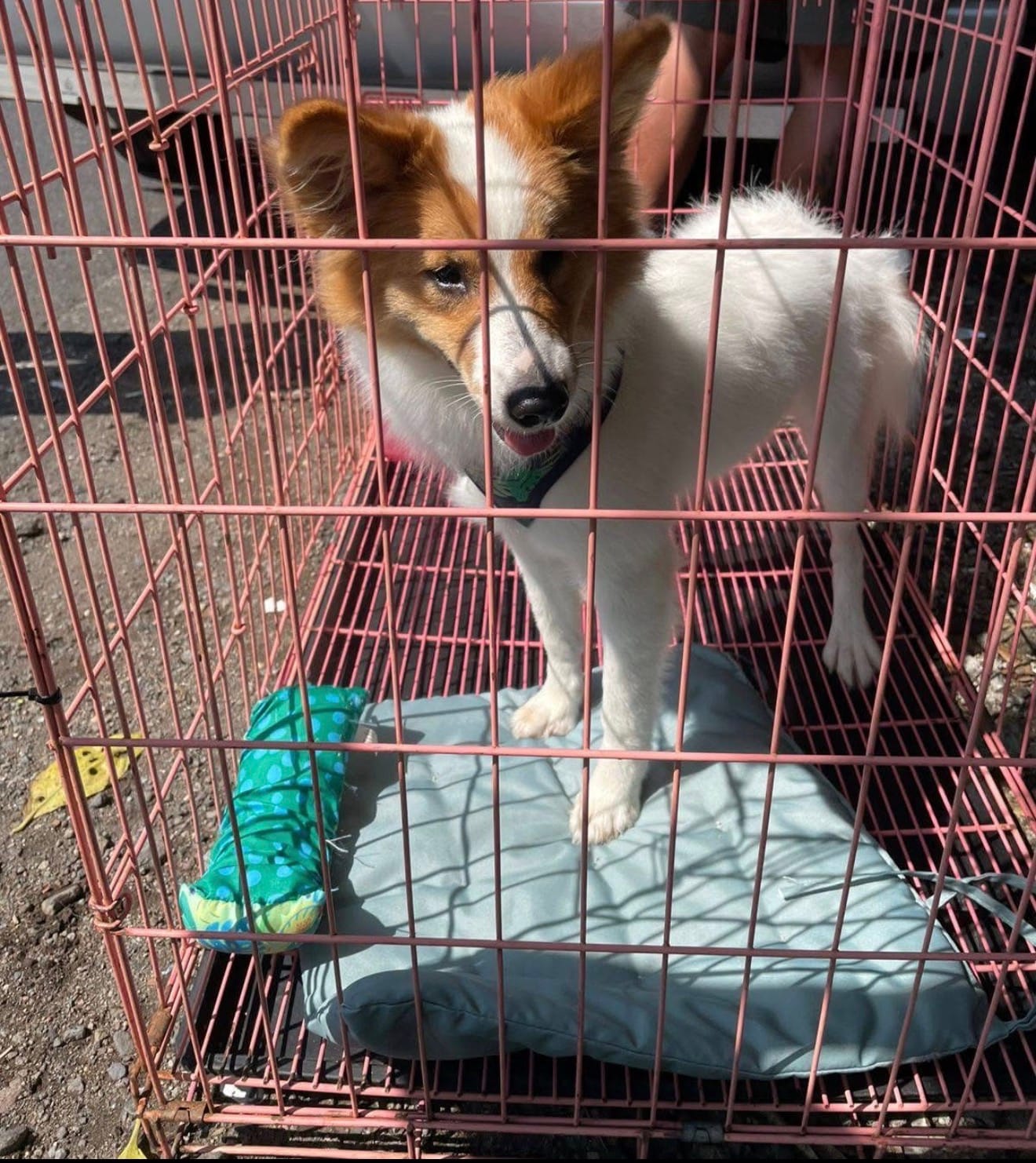
Paula said yes before she fully understood what she was agreeing to. She asked to meet the dog, and Melissa brought her over. The dog's name at the shelter was Liss. She was small, recently rescued from the streets of Bali, and she had been at the shelter only a few weeks. She had been found blind, lost, and vulnerable, and she had arrived at BAWA with nothing but the instinct to survive.
When Liss was placed in Paula's arms, she gave her a small, unhesitating side kiss with her wet nose. That was the beginning of everything.
Marjon, who has a gift for recognizing the precise moment when a person's life is about to change, immediately began campaigning. She turned to the little dog and asked her directly: "Do you want to come to Boston?" Paula was not sure yet. But she could not stop thinking about Liss for the rest of the day. Before they left Bali, Marjon insisted Paula go back to see her one more time. Paula messaged Melissa and asked for another visit. She held Liss again. And that, as Paula tells it, was really the beginning of everything.
She renamed her Alena.
The decision to bring a dog home from Indonesia to the United States is not one made lightly. Because of strict international regulations and the complex logistics of moving animals across borders, the process is an endurance test of paperwork, waiting, and bureaucracy. It requires vaccinations, microchipping, securing export permits, arranging transport to Jakarta, and coordinating cargo flights halfway across the world. Paula returned home from a month-long trip and spent the next several months navigating all of it, nervous about whether a small, blind dog could handle a journey of that magnitude.
On April 16, 2026, Alena arrived in the United States. Paula describes her as arriving like a warrior.
In my coaching practice, we spend a great deal of time examining the limits people place on their own capacity. We construct elaborate narratives about what is too hard, what takes too much time, and what simply is not practical. But when you watch someone like Paula commit to a months-long international adoption process for a blind dog she met during a morning of volunteering, you are reminded that practicality is often just an excuse for a lack of devotion. When we truly commit to a relationship, whether it is with a human being or a rescued animal, the obstacles do not disappear. They simply cease to be deterrents.
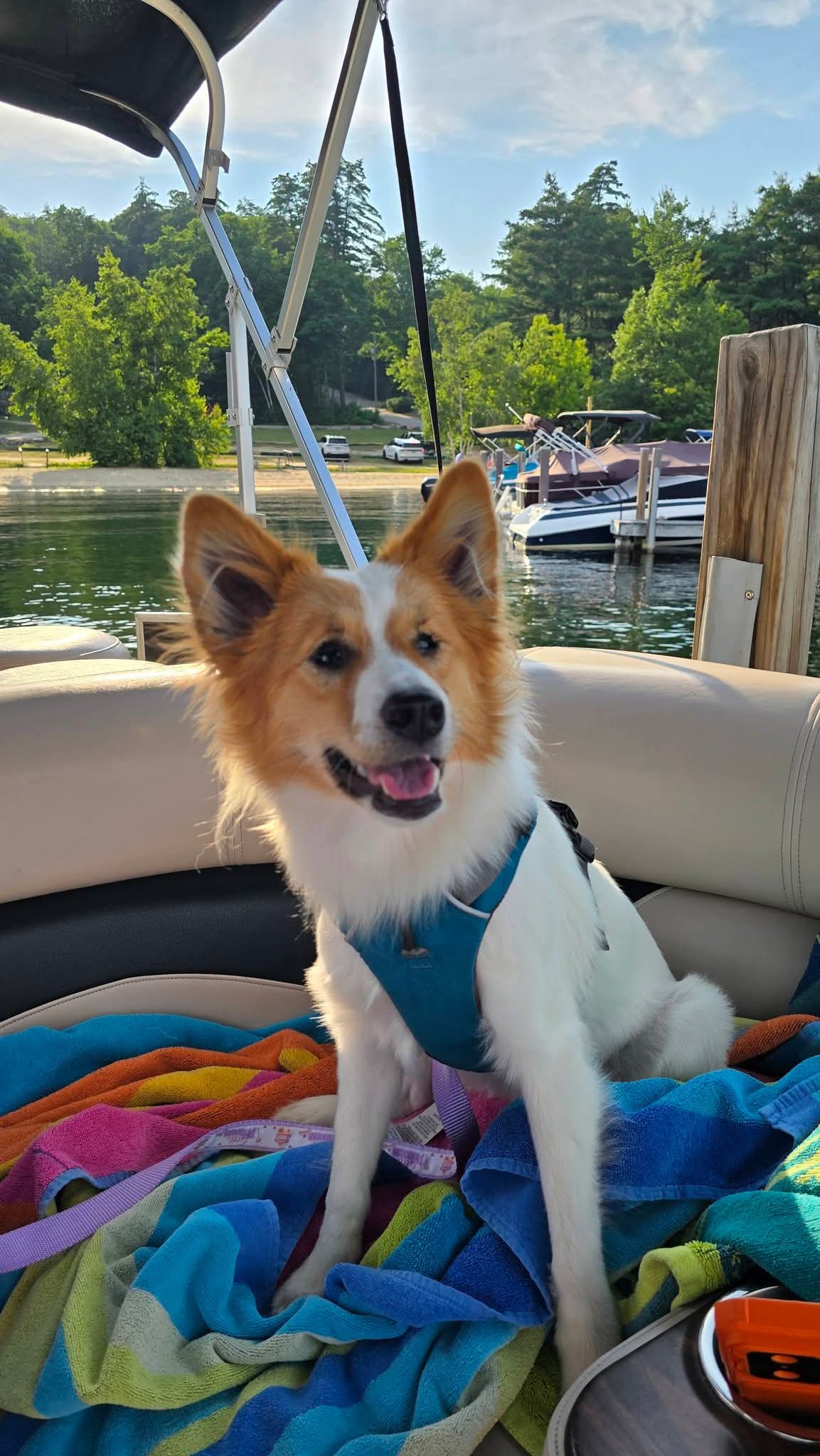
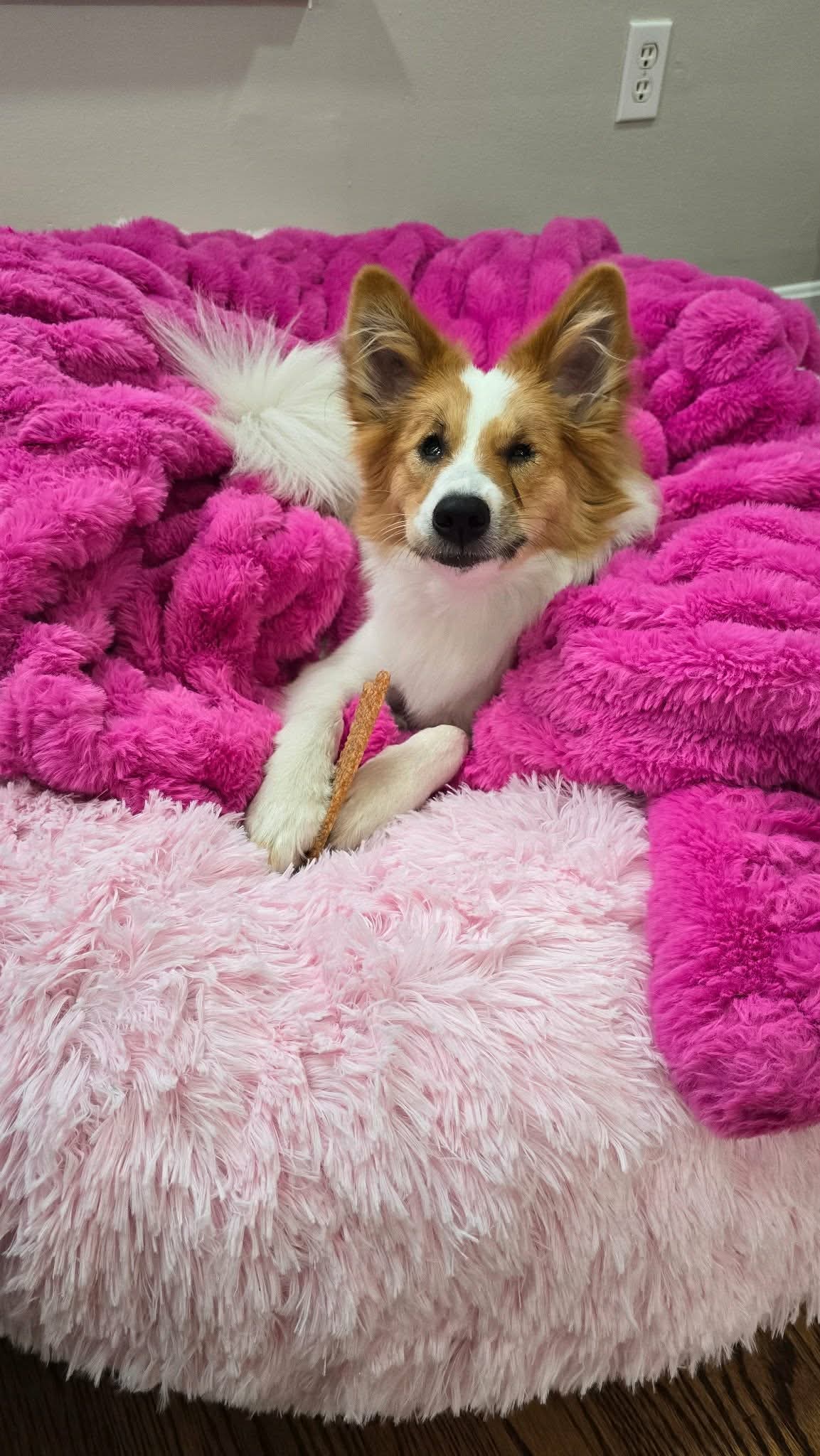
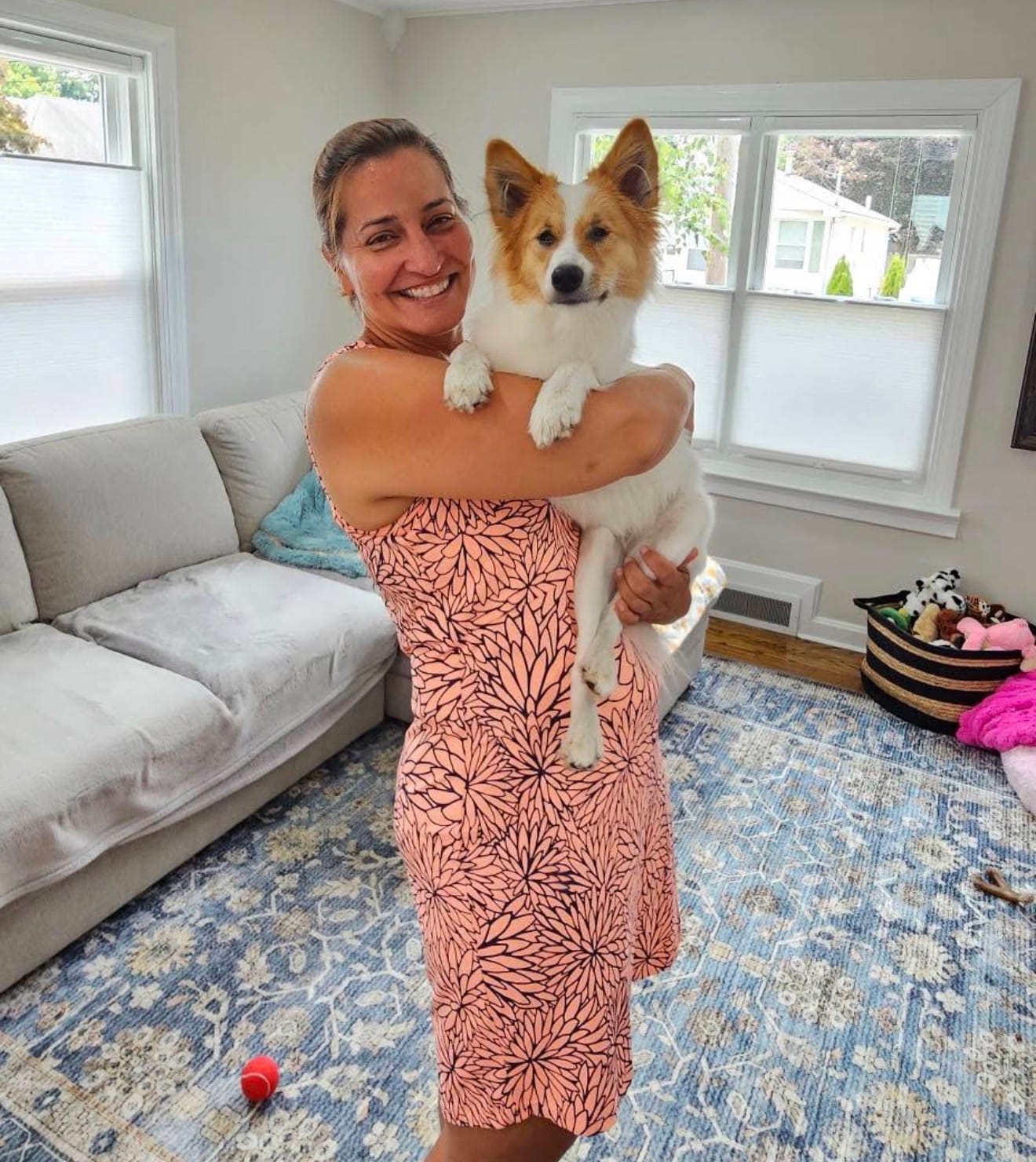
Today, Alena is living in Massachusetts, living her best life and navigating her world with the confidence of a dog who knows she is finally safe. She is, by Paula's account, smart, goofy, independent, and full of personality. She has adapted beautifully. She cannot see the walls of the house that protect her or the face of the woman who crossed an ocean to bring her home, but she does not need to. She can feel the environment she is in, and that environment is built entirely on love.
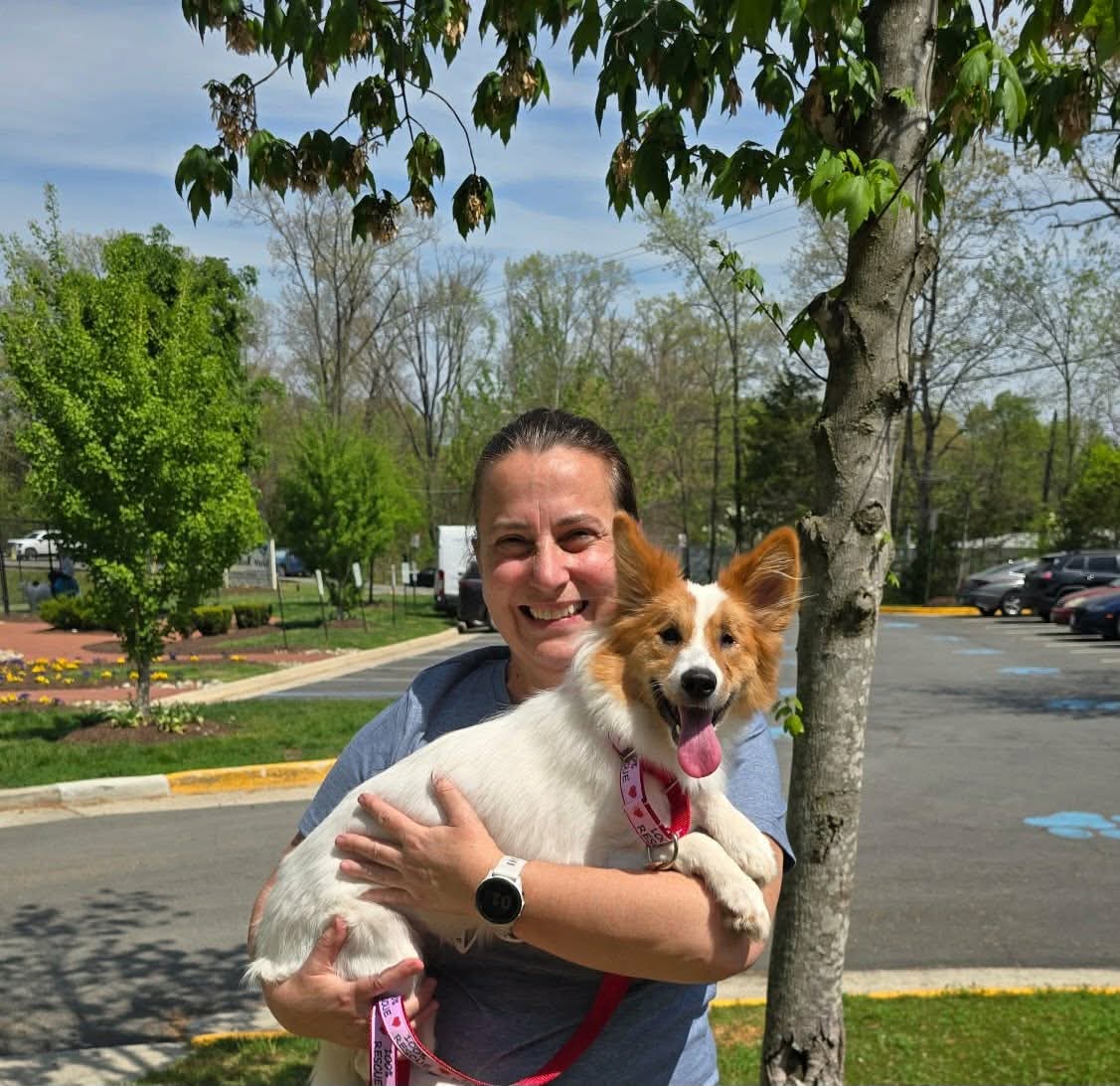
None of it would have happened without a morning of dog walks, a shelter coordinator named Melissa who knew exactly which dog needed exactly which person, and Marjon Tondravi, who refused to let Paula leave Bali without going back one more time.
The work we do through LOTUS Humanitarian and She Dares to Wander is often focused on human infrastructure, community support, and direct humanitarian impact. But the underlying current of everything we do is the belief that every living creature deserves to be seen, protected, and valued. Alena's story is a testament to what becomes possible when we show up with our hands open and our hearts ready, and when the right people refuse to let us walk away from the right love.
Sometimes, changing the world looks like funding a well or supporting a village. And sometimes, it looks like a wet-nose side kiss on a December morning in Bali, and the long, beautiful road home that follows.
Ready to take the trip that will change your life? www.shedarestowander.com